In my daily clinical practice, one of the most frequent imbalances I observe in patients is the effect of stress on health. For this reason, it is fundamental for me to insist on a clear guideline from the first consultation: it is necessary to avoid the consumption of tea (whether green, black, or white) and coffee.
These beverages contain stimulants that keep the body in a continuous state of alertness, causing a harmful imbalance between the sympathetic system (responsible for activation and the fight-or-flight response) and the parasympathetic system (responsible for relaxation, digestion, and cellular repair). When the sympathetic nervous system is chronically hyperactivated, many alterations appear in the body's physiology.
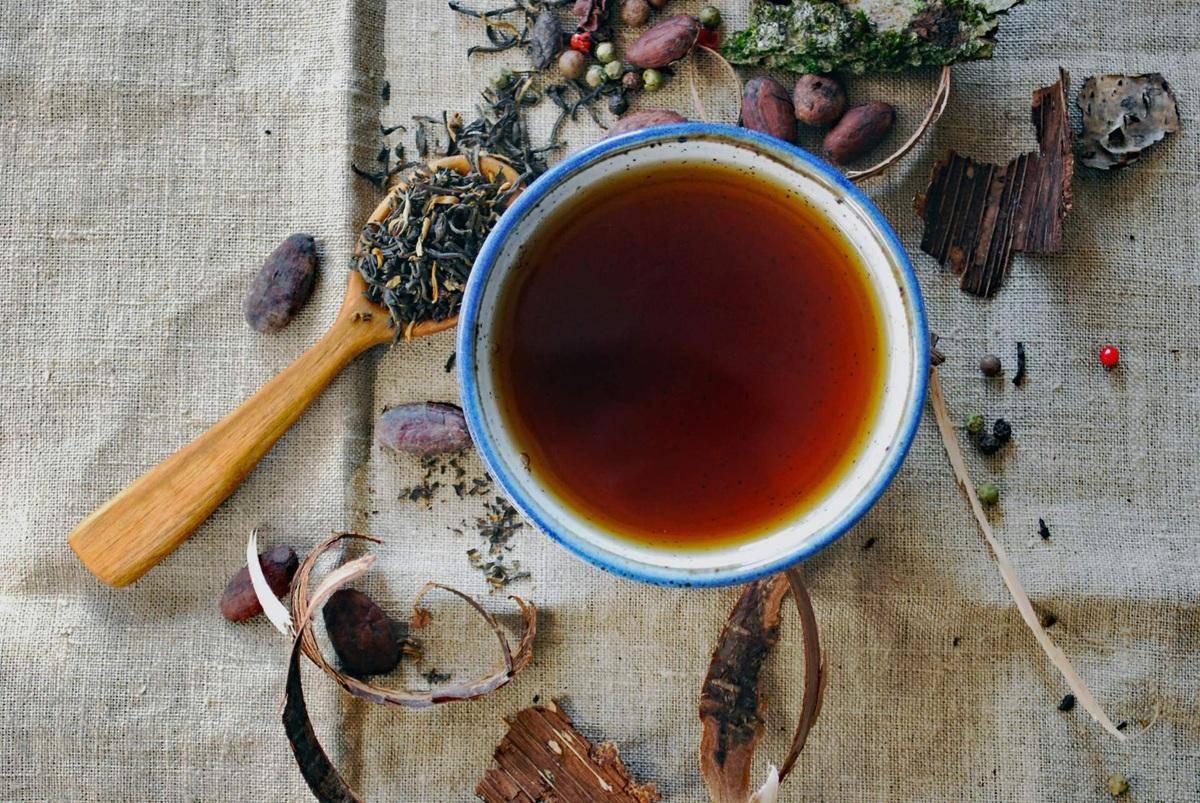
Therefore, I always recommend replacing these stimulating beverages with an infusion of Aspalathus linearis, commonly known as rooibos.
This guideline is not solely based on the need to remove stimulants, but also on the solid scientific evidence from the last five years (2021-2026) regarding the health benefits of its consumption. Below, I detail the medical findings that support this recommendation.
1. Nervous System Balance and Tolerability
The main reason I prescribe this infusion is because of what it does not contain. Being completely free of stimulating alkaloids, it allows the parasympathetic system to resume its restorative function, facilitating stress modulation and rest. Furthermore, it has a practically zero level of tannins, ensuring it does not interfere with the intestinal absorption of essential minerals like iron, a critical factor to consider in patients with anemia or nutritional deficiencies.
2. Attenuation of Oxidative Stress (Aspalathin)
At a phytochemical level, this plant is the only known botanical source of aspalathin. Contemporary research, such as that detailed in the International Journal of Molecular Sciences (Bednarska and Fecka, 2022), demonstrates that this flavonoid has a very high capacity to neutralize free radicals. Clinically, this translates to the blocking of advanced glycation end products (AGEs), providing essential protection against systemic cellular deterioration.
3. Metabolic and Glycemic Modulation
In the management of patients with metabolic alterations or insulin resistance, Aspalathus linearis proves to be a very useful adjuvant. Recent trials published in PLoS One (Patel et al., 2021) have confirmed that its extract (especially in its unfermented variant) significantly reduces fasting plasma glucose concentrations. This ability to improve insulin sensitivity makes it a natural therapeutic support for diabetes.
4. Lipid Profile and Cardiovascular Protection
The impact on vascular health is another determining factor for its recommendation. A comprehensive clinical review published in Frontiers in Nutrition (Afrifa et al., 2023) concluded that its regular consumption promotes blood pressure regulation and increases serum antioxidant defenses. Complementary research (Patel et al., 2022) shows that its intake curbs the accumulation of harmful lipids and promotes a clear reduction in triglyceride levels.
5. Anti-inflammatory Action and Microbiota Protection
The modulation of low-grade chronic inflammation is a non-negotiable pillar in preventive medicine. Data published in Nutrients (Pretorius et al., 2022) show how the active compounds of this plant protect intestinal barrier permeability and suppress the release of proinflammatory mediators, such as interleukin-8. Likewise, laboratory studies confirm that its aqueous components exert a prebiotic action, promoting the growth of symbiotic bacterial strains in the gut microbiota.
The substitution of traditional coffee and tea with rooibos goes beyond simple dietary preference. It is a medical intervention aimed at restoring sympathetic-parasympathetic balance by removing day-to-day chemical stressors, while providing the body with a flavonoid complex possessing antioxidant, anti-inflammatory, and metabolic activity solidly proven by current medical research.
Scientific References on the Health Benefits of Rooibos Tea
- Afrifa, D., et al. (2023). The health benefits of rooibos tea in humans (Aspalathus linearis)—a scoping review. Frontiers in Nutrition.
- Bednarska, K., & Fecka, I. (2022). Aspalathin and Other Rooibos Flavonoids Trapped α-Dicarbonyls and Inhibited Formation of Advanced Glycation End Products In Vitro. International Journal of Molecular Sciences, 23(23), 14738.
- Pretorius, L., et al. (2022). Aspalathus linearis (Rooibos) and Agmatine May Act Synergistically to Beneficially Modulate Intestinal Tight Junction Integrity and Inflammatory Profile. Nutrients.
- Pretorius, L., et al. (2022). An aqueous extract of fermented Aspalathus linearis (rooibos) functioned as a prebiotic in vitro. Journal of Ethnopharmacology, 297, 115548.
- Patel, O., et al. (2022). Aspalathin-rich green rooibos tea in combination with glyburide and atorvastatin enhances lipid metabolism... Frontiers in Clinical Diabetes and Healthcare.
- Patel, O., et al. (2021). Therapeutic effects of an aspalathin-rich green rooibos extract, pioglitazone and atorvastatin combination therapy in diabetic db/db mice. PLoS One, 16(5), e0251069.