

Breast Cancer natural treatment

Natural and complementary treatment for breast cancer is primarily aimed at minimizing the side effects of chemotherapy and radiotherapy.
In the case of chemotherapy, it is aimed at minimizing side effects so that it is better tolerated and the protocol cycles can be completed without interruption. Immunity control through white blood cell counts is important, since if the count is lower than 3,000, chemotherapy is postponed until it reaches these levels.
On the other hand, the immune system is important in controlling tumor growth, and once the chemotherapy cycles are finished, we must try to recover normal white blood cell values in the shortest possible time. There are Chinese herbal formulas that boost the immune system. Intravenous vitamin C also helps to restore the immune system.
Side effects such as nausea, vomiting, and fatigue can improve with specific Chinese herbal formulas designed to strengthen the digestive system in conjunction with acupuncture.
Intravenous vitamin C improves the fatigue associated with chemotherapy administration, detoxifies, and helps increase immunity. It also has an antitumor effect when administered at high doses.
When Taxol is administered, there is a risk of neurological toxicity, causing chemotherapy-induced peripheral neuropathy that can most frequently affect the distal parts of the extremities (hands and feet). This side effect can be prevented or improved with acupuncture and Chinese medicinal plant formulas. Scientific studies have endorsed the efficacy of these treatments for peripheral neuropathy.
Integrative oncology can also help alleviate the side effects of radiotherapy, such as radiodermatitis or fatigue.
The long-term effects of radiotherapy can also be reduced through the use of antioxidant nutrients.
In cancer treatment, it is very important to eliminate the tumor cell, which is why surgery is always the treatment associated with the best prognosis. Chemotherapy and radiotherapy are also aimed at eliminating tumor cells, but they cause significant side effects and weaken the body. Therefore, recovering and strengthening the body after these treatments helps prevent tumor recurrences.
Nutrition in Breast Cancer
To eliminate the toxicity of treatments and improve quality of life, diet plays a very important role. Breast cancer uses different metabolic pathways to obtain the energy and nutrients necessary for its growth. These metabolic pathways vary depending on the type of cancer and the stage.
It is important to personalize the patient's diet according to the type of breast cancer, the stage, and the levels of tumor markers.
Medicinal Plants for Breast Cancer
There are scientific studies on the antitumor effect of some Chinese herbs, specifically in breast cancer, such as Radix Codonopsis and Atractylodes macrocephalae.
Numerous studies have shown that curcumin exerts antitumor effects in breast cancer, suppressing cell proliferation and inducing apoptosis or physiological cell death.
The antiproliferative effect of curcumin is attributed to its ability to regulate protein kinase, the cell cycle, and transcription factors.
Metformin and Breast Cancer
Metformin is a drug used to treat diabetes, derived from the plant Galega officinalis. Metformin inhibits the mitochondrial activity of tumor cells, meaning they cannot use as much glucose to obtain energy. Metformin and other common drugs are being widely investigated for their antitumor action to be used in metabolic cancer therapy.
There are also scientific studies on the use of orthomolecular medicine (vitamins and minerals) in breast cancer that can help increase the survival and quality of life of these patients.
pH control aimed at decreasing acidity levels in the body and a proper diet contribute to better recovery and control of the tumorous disease.
Breast Cancer: Types
Breast cancer originates anatomically in the ducto-lobular terminal unit of the mammary gland. It originates in the cells and structures of this gland, which is why this type of cancer is an adenocarcinoma. The prefix “adeno” means gland.
When cancer cells originate in the milk ducts it is called Ductal Carcinoma.
When it goes towards the lobule the result is Lobular Carcinoma.
Carcinoma "In situ"
It is called “in situ” when malignant cell proliferation occurs inside the mammary duct, without penetrating its basal membrane wall, that is, without invasion or infiltration of the surrounding tissue.< /p>
It is called:
Ductal carcinoma in situ (DCIS) or intraductal carcinomaif it is located within a milk duct Its incidence has increased in recent years. This type of tumor is frequently multicentric (several lesions in the same breast) and bilateral (both breasts are affected).
Lobular carcinoma in situ (LCIS) if it is located within a lobule. This condition rarely develops into invasive cancer. However, having lobular carcinoma in situ in one breast increases the risk of cancer in both.
Currently it is unknown which in situ tumors and what percentage become invasive tumors. The time this occurs can be as long as 6 to 10 years.
Invasive or infiltrating carcinoma
This is the name given to malignant cell proliferation that crosses the natural anatomical border of the duct or lobule, invading the healthy tissue that surrounds it. Invasive breast cancer can spread to other parts of the body through the lymphatic and blood systems.
There are basically two types of invasive breast cancer:
Ductal carcinomas: they originate in the cells that line the milk ducts (ducts through which milk circulates to the nipple).
It is the most common type, representing 80% of infiltrating breast cancers.
Lobular carcinomas: They originate in the cells of the mammary lobules, where milk is produced. Its incidence is much lower, 10%.
Breast Cancer: Stages
Breast cancer originates anatomically in the ducto-lobular terminal unit of the mammary gland. It originates in the cells and structures of this gland, which is why this type of cancer is an adenocarcinoma. The prefix “adeno” means gland.
When cancer cells originate in the milk ducts it is called Ductal Carcinoma.
When it goes towards the lobule the result is Lobular Carcinoma.
Carcinoma "In situ"
It is called “in situ” when malignant cell proliferation occurs inside the mammary duct, without penetrating its basal membrane wall, that is, without invasion or infiltration of the surrounding tissue.< /p>
It is called:
Ductal carcinoma in situ (DCIS) or intraductal carcinomaif it is located within a milk duct Its incidence has increased in recent years. This type of tumor is frequently multicentric (several lesions in the same breast) and bilateral (both breasts are affected).
Lobular carcinoma in situ (LCIS) if it is located within a lobule. This condition rarely develops into invasive cancer. However, having lobular carcinoma in situ in one breast increases the risk of cancer in both.
Currently it is unknown which in situ tumors and what percentage become invasive tumors. The time this occurs can be as long as 6 to 10 years.
Invasive or infiltrating carcinoma
This is the name given to malignant cell proliferation that crosses the natural anatomical border of the duct or lobule, invading the healthy tissue that surrounds it. Invasive breast cancer can spread to other parts of the body through the lymphatic and blood systems.
There are basically two types of invasive breast cancer:
Ductal carcinomas: they originate in the cells that line the milk ducts (ducts through which milk circulates to the nipple).
It is the most common type, representing 80% of infiltrating breast cancers.
Lobular carcinomas: They originate in the cells of the mammary lobules, where milk is produced. Its incidence is much lower, 10%.
Breast Cancer: Conventional treatment
Therapeutic protocol or plan
In the treatment of breast cancer, a protocol is followed, that is, a set of rules and guidelines (treatment plan), established based on the scientific experience that exists in the treatment of this tumor.
These protocols, which are widely used in all hospitals, include the indications or limitations of treatment based on the following factors:
- Age of the patient.
- General condition.
- Hormonal status (premenopause, menopause).
- Location of the tumor.
- Phase or stage in which the disease is found (TNM).
- Tumor hormone receptors.
- Grade of the cells.
- Positivity for some biological factors (for example Her2).
The most frequently used treatments for breast cancer are surgery, radiotherapy, chemotherapy and hormone therapy.
Types of treatment
Various definitions are used regarding treatment:
- Local Treatment: refers to treatment directed at the tumor at its place of origin or at a specific location. Surgery and radiotherapy are examples of this.
- Systemic Treatment: refers to treatment that affects the entire body. Chemotherapy and hormone therapy are systemic treatments.
- Adjuvant Treatment: This is the name given to the systemic and/or local treatment administered after the first treatment. The objective of this treatment is prophylactic, both at a systemic and local level, that is, it aims to reduce the risk of breast cancer recurrence.
- Neoadjuvant Treatment: consists of administering systemic treatment before local treatment, with the aim of reducing the size of the tumor before surgery.
Invasive breast cancer treatment protocol
CLINICAL STAGE I AND II
Local treatment
Local treatment is the most important therapeutic weapon in the treatment of breast cancer. The first local maneuver is surgery. Conservative surgery (lumpectomy or quadrantectomy) plus axillary lymphadenectomy plus radiotherapy to the breast offers the same results as mastectomy plus axillary dissection, except in cases in which conservative treatment is contraindicated.
Complementary systemic treatment
Adjuvant systemic treatment in breast cancer includes two types of therapeutic weapons: chemotherapy and hormone therapy. Chemotherapy represents a proportional risk reduction of relapse of approximately 30%, while hormonal therapy with antiestrogens represents a proportional risk reduction of approximately 40% in cases with positive hormone receptors (Estrogen and/or Progesterone) while the benefit is practically imperceptible when the receptors are negative and is independent of menstrual status. The antiestrogen whose benefit is most established is Tamoxifen, and the standard dose and duration today is 20 mg/d for 5 years.
The "standard" chemotherapy is the scheme:
AC‐Paclitaxel AC x 4 + Taxol x 8/12 weeks
- Adriamycin or Epirubicin + Cyclophosphamide Cycle every 21 days x 4 cycles, followed by
- Weekly Paclitaxel x 8 or 12 weeks
Biological therapies
Patients with Her2-positive tumors should receive adjuvant treatment with Trastuzumab regardless of whether they are also treated with Chemotherapy and/or Hormonal Therapy.
LOCALLY ADVANCED DISEASE (STAGE III)
Treatment will begin with induction chemotherapy with scheme.
Subsequently surgery, performing mastectomy plus lymphadenectomy or tumorectomy if the initial tumor was less than T3 and is technically possible.
Chemotherapy will be completed later up to 6 cycles followed by radiotherapy.
Tamoxifen (20 mg/d x 5 years) will be added after chemotherapy to patients with positive hormone receptors.
Ask for opinion and find an appropriate solution to your problem
ONLINE Doctor Consultation
Articles related to Breast Cancer

Boswellia serrata and Cancer: Scientific Evidence
In the comprehensive approach to the oncological patient, the control of systemic inflammation is one of the fundamental pillars. In recent years, science has turned its attention to phytotherapy, highlighting an ancient extract that is showing promising results in recent clinical trials: Boswellia serrata.
Tumor Markers for Cancer
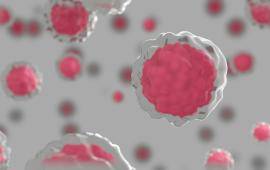
In cancer treatment, accurate follow-up is critical to improve treatment outcomes and patient survival. In this sense, tumor markers are a valuable tool in cancer diagnosis and monitoring. They allow us to quantify tumor activity and response to treatment long before performing control imaging tests (CT, PET, CT, MRI).

Chinese herbal formulas for lung cancer
In the last decade, scientific studies on the use of Chinese herbal formulas for cancer treatment have proliferated. In this article, we will focus on the studies regarding their use in lung cancer.
Honokiol and Cancer
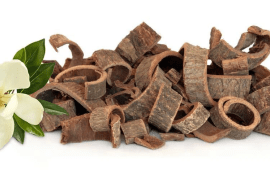
Honokiol, a bioactive compound derived from the bark of trees of the Magnolia genus, has emerged as a promising therapeutic agent in cancer treatment.
Sulforaphane and Cancer: The Science Behind Broccoli
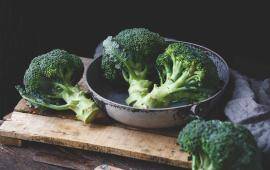
Numerous studies have shown that Sulforaphane exhibits antitumor properties against different types of cancer, including lung, prostate, colon, and breast cancer. In patients under active surveillance for prostate cancer, sulforaphane prolonged the doubling time of prostate-specific antigen (PSA), a marker of tumor progression.

Quercetin and Cancer
Quercetin is a type of flavonoid compound that comes from nature and is widely found in our diet. Quercetin can exert antitumor effects by altering cell cycle progression, inhibiting cell proliferation, stimulating apoptosis or cell death, inhibiting the progression of angiogenesis or formation of new blood vessels that feed the tumor and metastases.