
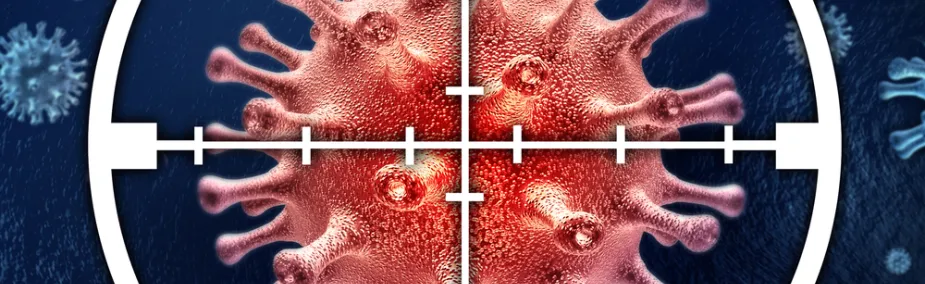
What is Metabolic Therapy for cancer?

Metabolic therapy in complementary cancer treatment, or metabolic oncology, consists of cutting off the metabolic pathways that tumors use to grow.
For a long time, cancer has been treated almost exclusively as a genetic disease. However, the latest scientific research shows that a tumor is also a profound disorder of cellular metabolism.
Metabolic therapy for cancer is the medical discipline that studies and blocks the way tumor cells obtain their energy. A cancer cell radically alters its internal pathways to devour nutrients at high speed—mainly glucose—with the sole purpose of multiplying and surviving.
However, the tumor does not grow in isolation. It is immersed in a living ecosystem called the tumor microenvironment. Cancer "tricks" the healthy and defensive cells in that environment into working in its favor. Therefore, modern metabolic therapy acts directly on this ecosystem through two key strategies:
Cutting acidity from lactate accumulation: By massively consuming glucose, the tumor expels lactate and makes its environment highly acidic. This acidity acts as a shield that deactivates your lymphocytes and Natural Killer cells. By regulating this process, we eliminate that smokescreen so your immune system can recognize and attack the cancer once again.
Cutting the tumor's energy supply: Certain metabolic profile drugs (like metformin) or specific supplements directly attack the mitochondria, the tumor's "power plants." This not only weakens the malignant cell but also helps re-educate the environment, stopping your defenses from protecting the tumor and getting them to start fighting it.
The true success of metabolic oncology does not lie in applying brute force, but in making a fine, personalized adjustment. By destabilizing the tumor's internal resistance and correcting the terrain where it hides, we achieve an ideal synergy that significantly boosts the effectiveness of conventional treatments like chemotherapy or radiotherapy.
The Warburg Effect and Glucose Consumption
It is very likely that, if you are researching cancer, you have read that tumor cells "feed on sugar." This is one of the biggest concerns for patients in consultations. To understand if this is real and how we can use it to your advantage, we must talk about a fundamental scientific discovery: the Warburg Effect.
What is the Warburg Effect?
Under normal conditions, the healthy cells in our body use oxygen to transform nutrients into energy in a clean and efficient way inside "power plants" called mitochondria. However, tumor cells completely alter this mechanism.
In the 1920s, Nobel laureate Otto Warburg discovered that, even when they have plenty of oxygen at their disposal, cancer cells prefer to shut down their mitochondria and ferment glucose at breakneck speed to obtain rapid energy. This metabolic "shortcut" is known as the Warburg Effect.
This preference of the tumor for massive glucose consumption is not a whim; it is a survival strategy that current scientific studies break down at the cellular level:
- Fuel for accelerated division: The rapid fermentation of glucose (glycolysis) provides the tumor with the necessary biological "building blocks" (such as nucleotides and lipids) to quickly double in size and build new tumor cells.
- Flooding the terrain with lactate: As a collateral result of devouring so much glucose, the tumor produces and expels an enormous amount of a substance called lactate into its surroundings.
- A shield against your defenses: This accumulation of lactate makes the tissue surrounding the tumor (the tumor microenvironment) highly acidic. This acidity acts as a smokescreen that weakens and "puts to sleep" your immune system cells (such as T lymphocytes and Natural Killer cells), preventing them from recognizing and destroying the cancer.
Most Commonly Used Natural Supplements and Medications in Metabolic Therapy
The supplements with the most scientific studies in metabolic cancer therapy are:
All of them have scientific studies demonstrating the inhibition of different metabolic pathways in various types of tumors.
The inhibition of the metabolic pathways used by tumors can be achieved with certain natural supplements, such as berberine, which have proven their effectiveness through scientific studies.
The use of common drugs, such as metformin in the treatment of diabetes, has proven effective in cancer treatment due to its action of inhibiting mitochondrial activity to use glucose.
Metabolic cancer therapy must always be accompanied by a personalized diet tailored to the metabolic profile of each type of tumor, carefully controlling the amount of carbohydrates, the type of proteins, and the type of fats consumed.
Evidence and Scientific Studies in Metabolic Cancer Therapy
- Talib, W.H.; Baban, M.M.; Bulbul, M.F et al. (2024) Natural Products and Altered Metabolism in Cancer: Therapeutic Targets and Mechanisms of Action. Int. J. Mol. Sci. 2024, 25, 9593. https://doi.org/10.3390/ijms25179593 Enlace estudio
- Linchong Sun, Huafeng Zhang et al (2022), Metabolic reprogramming and epigenetic modifications on the path to cancer, Protein & Cell, Volume 13, Issue 12, December 2022, Pages 877–919, https://doi.org/10.1007/s13238-021-00846-7 Enlace estudio
- Hyrossova P, Milosevic M et al (2022) Effects of metabolic cancer therapy on tumor microenvironment. Front. Oncol. 12:1046630. doi: 10.3389/fonc.2022.1046630 Enlace estudio
Ask for opinion and find an appropriate solution to your problem
ONLINE Doctor Consultation
Articles related to Metabolic Therapy Cancer Treatment

Boswellia serrata and Cancer: Scientific Evidence
In the comprehensive approach to the oncological patient, the control of systemic inflammation is one of the fundamental pillars. In recent years, science has turned its attention to phytotherapy, highlighting an ancient extract that is showing promising results in recent clinical trials: Boswellia serrata.

Chinese herbal formulas for lung cancer
In the last decade, scientific studies on the use of Chinese herbal formulas for cancer treatment have proliferated. In this article, we will focus on the studies regarding their use in lung cancer.

Honokiol and Cancer
Honokiol, a bioactive compound derived from the bark of trees of the Magnolia genus, has emerged as a promising therapeutic agent in cancer treatment.

Sulforaphane and Cancer: The Science Behind Broccoli
Numerous studies have shown that Sulforaphane exhibits antitumor properties against different types of cancer, including lung, prostate, colon, and breast cancer. In patients under active surveillance for prostate cancer, sulforaphane prolonged the doubling time of prostate-specific antigen (PSA), a marker of tumor progression.

Quercetin and Cancer
Quercetin is a type of flavonoid compound that comes from nature and is widely found in our diet. Quercetin can exert antitumor effects by altering cell cycle progression, inhibiting cell proliferation, stimulating apoptosis or cell death, inhibiting the progression of angiogenesis or formation of new blood vessels that feed the tumor and metastases.

Cúrcumin and Breast Cancer
Curcumin has shown antitumor effects in breast cancer. HER2 positive. It can induce cell death in breast cancer cells by inducing changes in the cell membrane potential. Cancer stem cells are one of the main causes of cancer recurrence after treatment. Curcumin has shown its ability to kill cancer stem cells, in addition to increasing the effectiveness of chemotherapy.