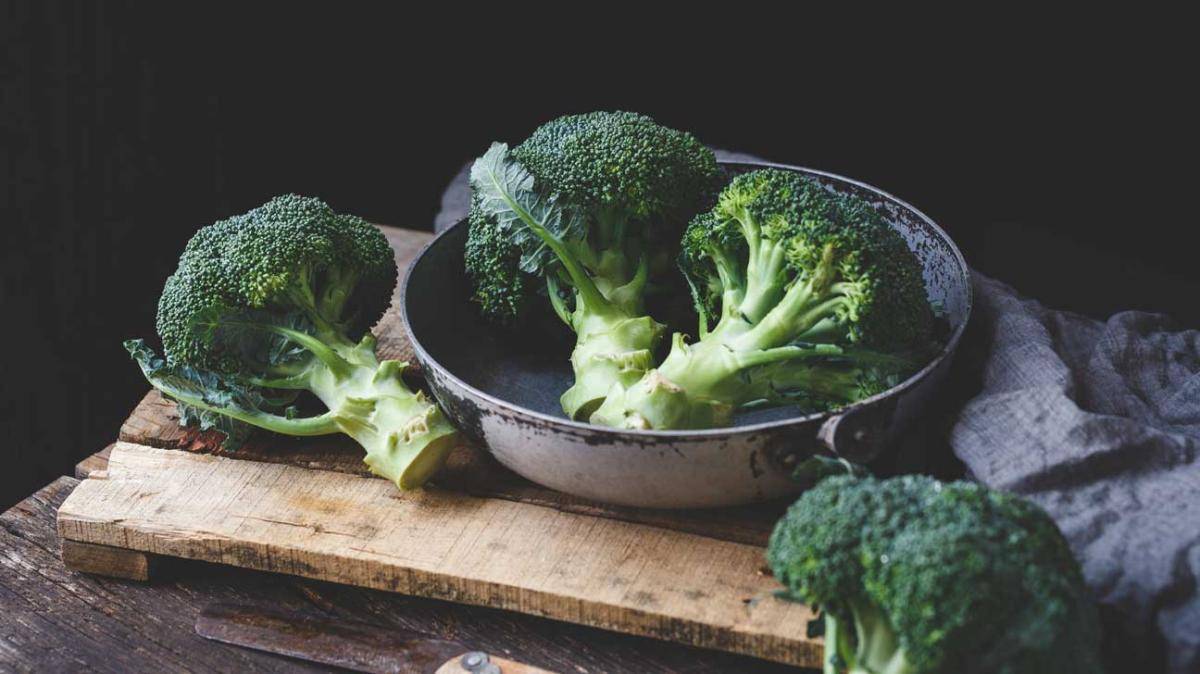
This article presents the benefits of sulforaphane, found in broccoli, combined with conventional treatments in cancer therapy based on scientific studies.
Various bioactive compounds present in broccoli, such as sulforaphane, have been studied for their effects on tumor cell growth and metastasis.
Although oncological therapy has improved over the last decades, the development of drug resistance, tumor relapse, and metastasis remain major concerns in conventional treatments.
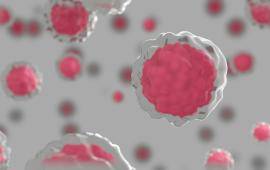
One of the reasons for this is the existence of a subpopulation of cancer cells that show unique characteristics, such as the capacity for self-renewal and differentiation. These cells are known as cancer stem cells.
Once cancer stem cells enter a dormant state and acquire a protective form, most available cancer treatments cannot effectively target this subpopulation of cancer cells.
Therefore, after standard treatment, cancer stem cells may remain in the tumor bed and cause a relapse.
Considering that cancer stem cells can ultimately lead to drug resistance and tumor relapse, alternative chemopreventive and therapeutic approaches are needed.
The combination of natural products with conventional drugs used in cancer treatment has been widely studied in recent decades with the aim of optimizing or improving therapeutic responses to different chemotherapeutic agents.
Numerous studies have shown that sulforaphane exhibits antitumor properties against different types of cancer, including lung, prostate, colon, and breast cancer.
One study has demonstrated that the daily intake of sulforaphane for 24 weeks was able to decrease the number of malformed colon crypts in patients with colon adenoma.
Antitumor Effects of Sulforaphane
Apoptosis induction: Promotes programmed cell death in tumor cells.
Cell cycle arrest: Blocks proliferation in different phases of the cell cycle.
Modulation of the tumor microenvironment: Inhibits communication between tumor cells and microenvironment components such as tumor-associated macrophages.
Specific Actions of Sulforaphane on Cancer Stem Cells
Sulforaphane has demonstrated efficacy against cancer stem cells in various types of cancer:
Breast cancer: Reduces the formation of tumor spheres, decreases markers such as ALDH1 and Cripto-1, and suppresses the epithelial-mesenchymal transition, which is key for metastasis.
Lung cancer: Inhibits pathways such as Sonic Hedgehog (SHH) and Wnt/β-catenin, which are essential for the maintenance of CSCs.
Colon cancer: Induces apoptosis in CSCs by decreasing hTERT, a marker associated with cellular proliferation and immortality.
Prostate cancer: Decreases c-Myc activity and improves the efficacy of treatments like cisplatin.
Stomach cancer and pancreatic cancer: Interferes with critical signaling pathways and reduces the invasive and self-renewal capacity of CSCs.
Synergy of Sulforaphane with Chemotherapy: Efficacy and Toxicity Reduction
In modern integrative oncology, sulforaphane has gained special relevance not only as a preventive agent but also as a potent chemosensitizer. Current research shows that its combined use with certain chemotherapy drugs enhances treatment.
As highlighted by the latest clinical evidence reviewed by Liu et al. (2024), this compound possesses multiple mechanisms of action that act simultaneously:
In the tumor cell: It helps reverse acquired resistance to chemotherapy and enhances cellular apoptosis. A very recent study published by Xiong et al. (2025) demonstrated that sulforaphane combined with cisplatin in lung cancer is capable of breaking tumor resistance by inducing ferroptosis (an iron-dependent form of cell death). Similarly, Ghareeb's team (2024) confirmed that combining sulforaphane with paclitaxel in prostate cancer profoundly optimizes the drug's efficacy through a synergistic effect.
In healthy tissue: It acts as a protective shield. By activating deep cellular defense pathways (such as the Nrf2 pathway), it helps mitigate the toxicity of conventional treatments on vulnerable healthy tissues (such as mucous membranes and bone marrow), significantly improving patient tolerance to treatment.
The Importance of the Timing of Administration
Although the synergy is evident, sulforaphane is a potent modulator of drug metabolism. The exact timing of intake relative to chemotherapy infusion is critical. Incorrect administration could accelerate liver detoxification and eliminate the oncological drug before it takes its full effect. Therefore, its integration must be guided exclusively by a specialist in integrative oncology.
Clinical Evidence of the Antitumor Action of Sulforaphane
Clinical trials have begun to evaluate the efficacy of sulforaphane in humans. Some notable results include:
Prostate cancer: In patients under active surveillance, SFN prolonged the doubling time of prostate-specific antigen (PSA), a marker of tumor progression.
Breast cancer: In women with suspicious lesions, SFN decreased levels of biomarkers associated with tumor proliferation, such as Ki-67.
Sulforaphane is well tolerated by patients; this safety profile makes it ideal for long-term use as recurrence prevention or in combination with conventional treatments.
How to Consume Broccoli to Obtain Real Sulforaphane? The Role of Myrosinase
One of the most common mistakes in clinical practice is believing that eating long-boiled or heavily steamed broccoli will provide sulforaphane. Mature broccoli does not naturally contain sulforaphane, but rather its precursor: glucoraphanin.
For glucoraphanin to convert into active and bioavailable sulforaphane, it needs to come into contact with an enzyme called myrosinase. This enzyme is released when we chew or cut the raw vegetable. The clinical problem is that myrosinase is easily destroyed by heat (starting at 60ºC).
Although on a preventive level, using culinary strategies (such as adding mustard powder to broccoli to provide external myrosinase) is useful, in a therapeutic oncological setting, diet is rarely sufficient to reach the serum levels necessary to induce tumor apoptosis (cell death).
Broccoli Sprouts vs. Clinical Supplementation
In oncological nutrition, broccoli sprouts (3 to 5-day-old sprouts) concentrate much more glucoraphanin than the mature plant. However, due to the difficulty of standardizing doses through food, integrative medicine turns to supplementation.
If an oncology patient looks for a supplement on their own, they often make serious mistakes. Not all supplements are effective or safe in all stages of cancer. In our practice, to prescribe sulforaphane, we evaluate:
Real bioavailability: We only prescribe activated extracts that contain both the precursor and the enzyme (myrosinase) protected by gastro-resistant technology. Many supplements are often just inactive powder.
Timing of treatment: Sulforaphane is a potent activator of the Nrf2 pathway. Administering it at the wrong time can interfere with the oxidation that certain conventional treatments need to destroy the tumor.
Scientific Studies on the Antitumor Effect of Sulforaphane
- Pang S, Lin Q, Pang T et al. (2026) Efficacy and mechanisms of cisplatin and sulforaphane nanoparticles in alleviating cisplatin resistance in non-small cell lung cancer. Transl Lung Cancer Res. 2026 Jan 31;15(1):15. doi: 10.21037/tlcr-2025-1123. Epub 2026 Jan 26. PMID: 41659256; PMCID: PMC12877884.
- Guo F, Li B et al. (2025) Sulforaphane inhibits gastric cancer progression by regulating the YY1/PSMB8-AS1/miR-888-5p/SLC4A7 axis. Biochem Biophys Res Commun. 2025 Oct 30;786:152757. doi: 10.1016/j.bbrc.2025.152757. Epub 2025 Oct 4. PMID: 41056875.
- Liu Y, Zhang M. (2025) Synergistic Anticancer Effects of Silibinin and Sulforaphane: Targeting Gastric Cancer via PI3K/AKT and ERK1/2 MAPK Pathway Inhibition and Molecular Docking Insights. J Biochem Mol Toxicol. 2025 Apr;39(4):e70237. doi: 10.1002/jbt.70237. PMID: 40152010.
- Habib TN, Altonsy MO, Ghanem SA et al. (2024) Optimizing combination therapy in prostate cancer: mechanistic insights into the synergistic effects of Paclitaxel and Sulforaphane-induced apoptosis. BMC Mol Cell Biol. 2024 Mar 4;25(1):5. doi: 10.1186/s12860-024-00501-z. PMID: 38438917; PMCID: PMC10910811.
- Liu P, Zhang B et al (2024). Potential mechanisms of cancer prevention and treatment by sulforaphane, a natural small molecule compound of plant-derived. Mol Med. 2024 Jun 21;30(1):94. doi: 10.1186/s10020-024-00842-7. PMID: 38902597; PMCID: PMC11191161.
- Huang L, Wang et al (2024). Sulforaphane suppresses bladder cancer metastasis via blocking actin nucleation-mediated pseudopodia formation. Cancer Lett. 2024 Oct 1;601:217145. doi: 10.1016/j.canlet.2024.217145. Epub 2024 Jul 30. PMID: 39084455.
- Zhang F, Wan X et al (2024) Sulforaphane inhibits the growth of prostate cancer by regulating the microRNA-3919/DJ-1 axis. Front Oncol. 2024 Mar 7;14:1361152. doi: 10.3389/fonc.2024.1361152. PMID: 38515566; PMCID: PMC10955061.