

Cancer. Integrative Oncology









Treatment of peripheral neuropathy due to chemotherapy
Sloan Kettering Cancer Center in the United States, has shown that acupuncture treatment enabled chemotherapy-treated patients with symptoms of peripheral neuropathy to complete their chemotherapy cycles without progression of the neuropathy. Hammersmith Hospital in London has shown that Chinese herbal formulas used in the treatment of chemotherapy-induced peripheral neuropathy improve the speed of sensory nerve conductivity.

Green tea and cancer
The green tea contains large amounts of the catechin: epigallocatechin gallate or EGCG. There are several mechanisms involved in the therapeutic action of EGCG in cancer. Green tea EGCG has pro-oxidant, anti-inflammatory, cell cycle modulating, angiogenesis inhibitory properties and induces apoptosis or cell death.

Milk thistle and cancer
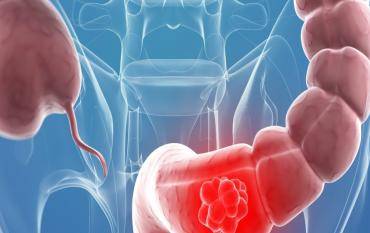
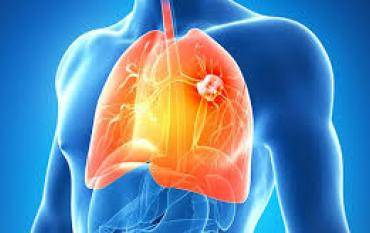
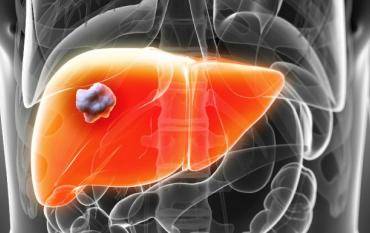
Mary thistle has properties for the treatment of cancer, due to its high content of silibinin, with antioxidant, anti-inflammatory and liver-protective action. Silibinin from milk thistle has also shown inhibition of colon cancer tumor stem cells and the ability to iinhibit non-small cell lung cancer metastases.
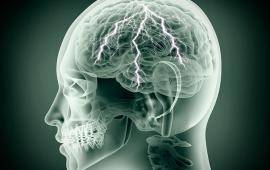
Ketogenic diet and brain tumor
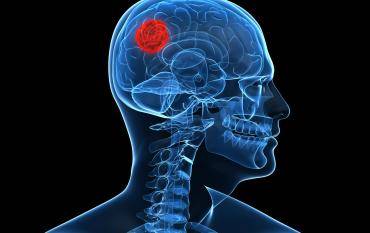
The ketogenic diet consists of high fat and low carbohydrate intake, with the aim of stimulating the formation of ketone bodies. Studies have shown its effectiveness in treating children with epilepsy and could help in neurodegenerative diseases such as Alzheimer's and Parkinson's. These studies have highlighted the role of the ketogenic diet in the treatment of brain tumors, especially in glioblastoma multiforme.

Stress and Cancer (I)
Some of the main characteristics of cancer-prone individuals appear to be frequent feelings of hopelessness and helplessness, inability to express anger or resentment, low self-esteem and sadness, or having suffered the loss of a significant emotional relationship.

Turmeric and Prostate Cancer
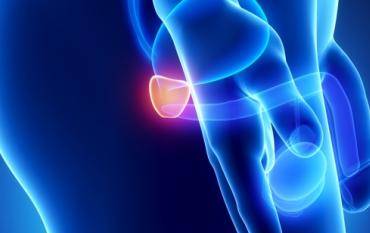
Curcumin is the main polyphenol in curcumin root, responsible for its therapeutic effects. Its antitumor action is very versatile as it has been shown to modulate and influence multiple molecules involved in cancer growth, by altering the expression of cellular genes and influencing cancer signaling pathways.